Wound Management & Therapy
At REC-Canberra Equine Centre, we offer advanced wound management services tailored to promote optimal healing and recovery. Using cutting-edge medical laser therapy to stimulate the horse’s natural healing processes at the cellular level or for more complex wounds, our expert team also provides skin grafting procedures to restore skin integrity and function.
Whether your horse is recovering from trauma, surgery, or a chronic wound, our specialist and cutting-edge approach ensures the highest standard of care getting your horse back to full use as quickly as possible.
Services
-
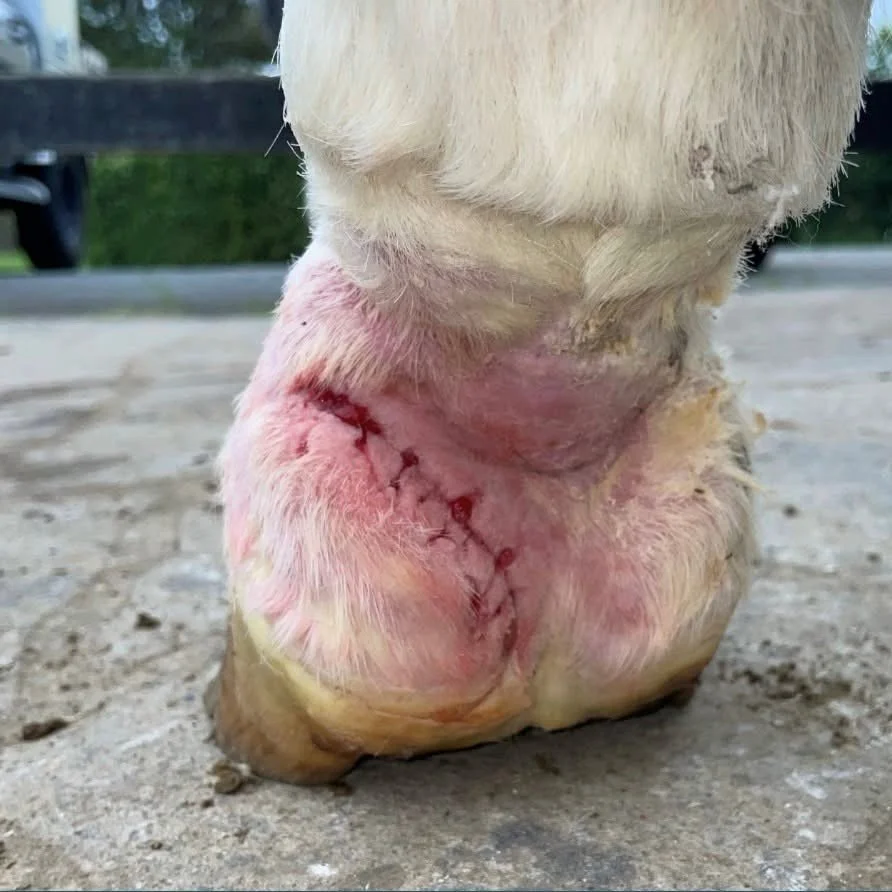
Skin grafting in horses isn’t just about making a wound look better — it’s about restoring the skin’s protective barrier, maintaining limb function, and getting the horse back to full use as quickly and safely as possible. In short it is often the difference between a wound that lingers for months and one that heals efficiently with restored function. Here’s why it’s so important:
Speeds Up Healing – Large or slow-healing wounds, especially on limbs, can take weeks to months to close naturally. Grafting accelerates closure by providing immediate skin coverage, reducing the time the wound is open and vulnerable.
Preserves Mobility – By covering exposed granulation tissue early, grafts help prevent excessive scar tissue and contracture, which can limit joint movement and impair performance.
Protects Underlying Structures – Wounds near joints, tendons, or bones benefit from graft coverage, which shields these areas from infection and mechanical trauma.
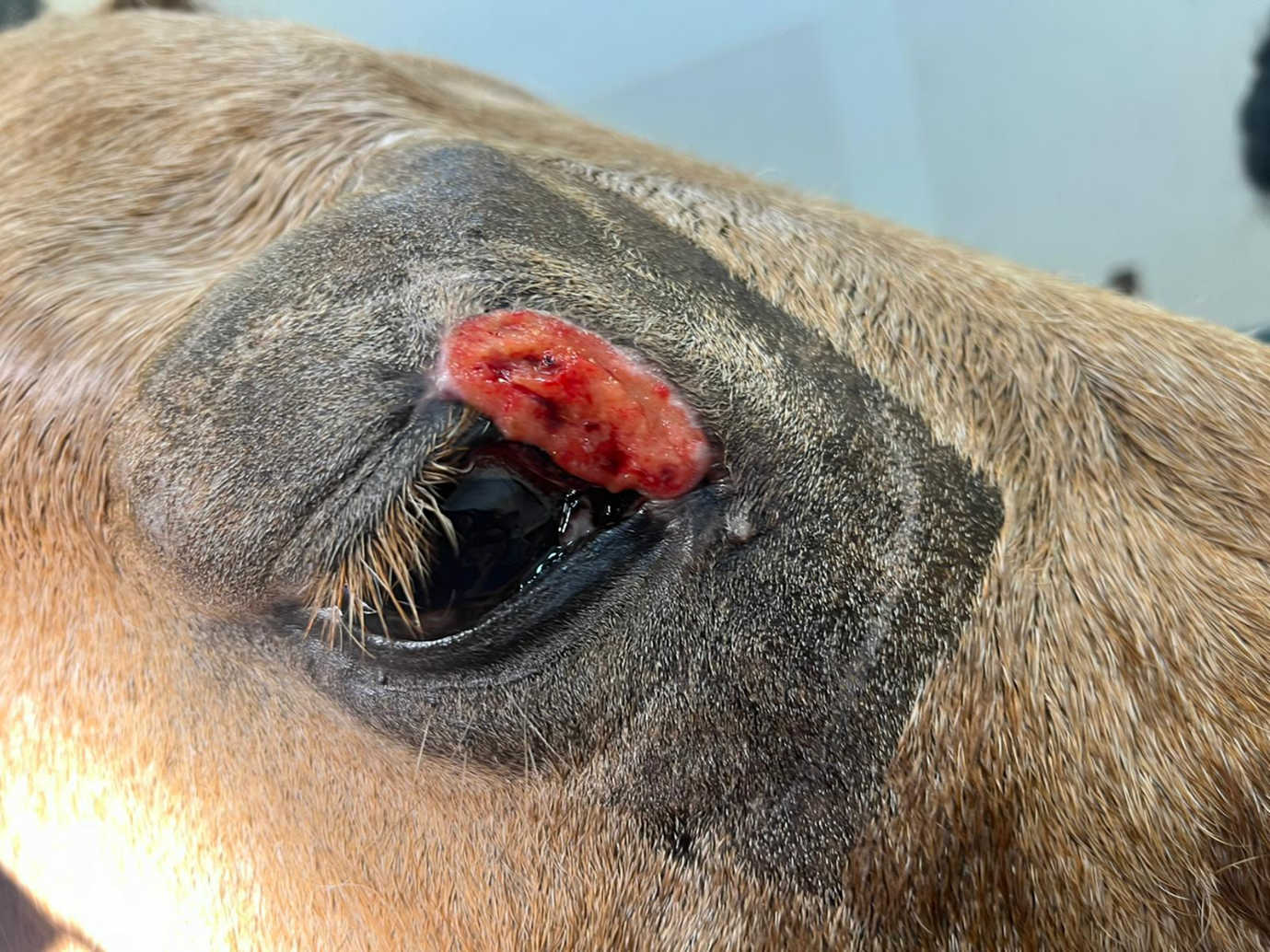
Improves Cosmetic & Functional Outcomes – Grafts encourage more natural skin regeneration, reducing the risk of proud flesh (exuberant granulation tissue) and producing a smoother, more flexible repair.
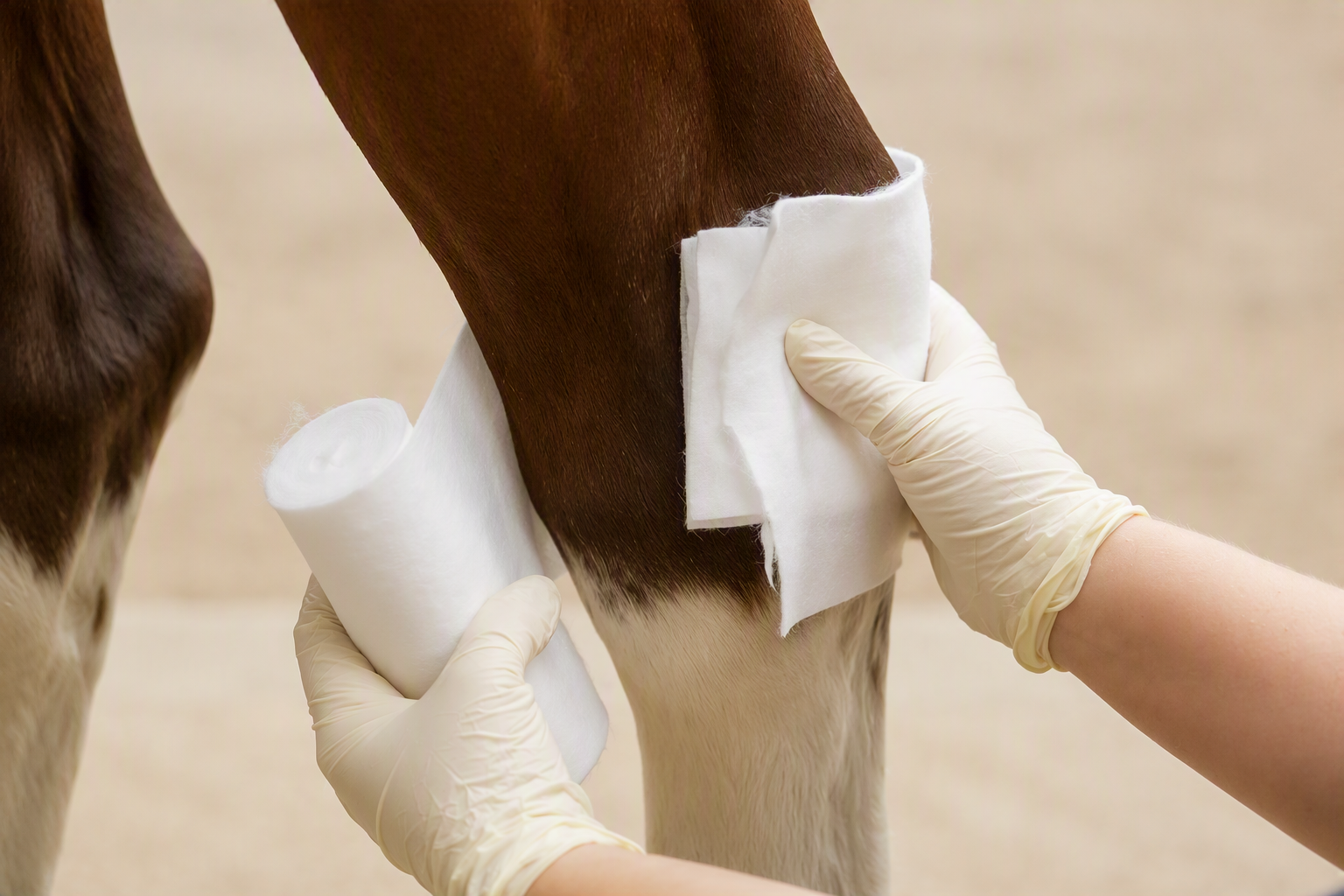
Reduces Long-Term Care Costs – Faster healing means fewer bandage changes, less risk of complications, and a quicker return to training or work
-
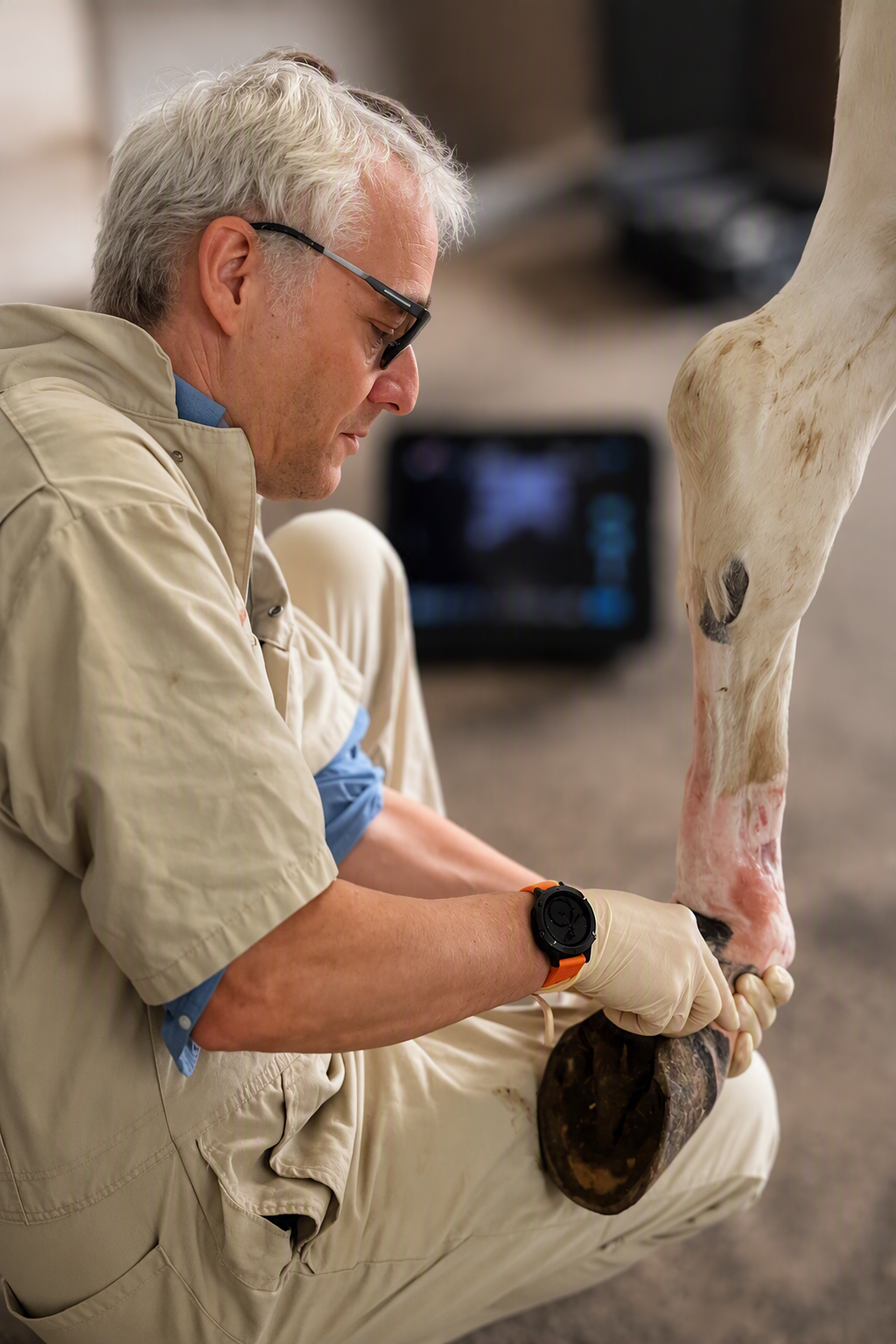
Adjunct therapy with a class-4 medical laser can assist in hastening wound healing by stimulating fibroblast (biological cell that plays a crucial role in the formation of connective tissue) activity, reducing scar tissue, and accelerating wound healing.