

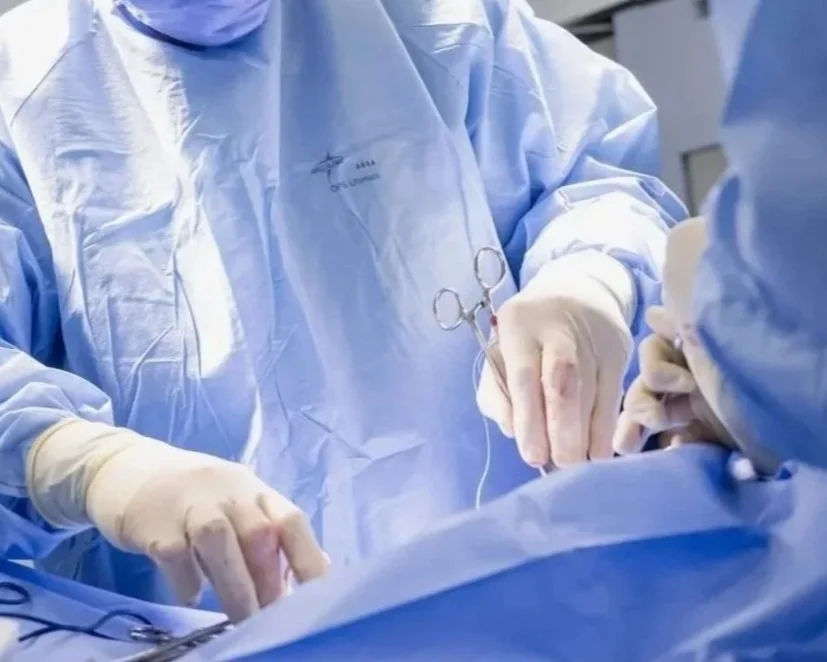
Outpatient Surgery including surgical oncology
At REC-Canberra Equine Centre we provide comprehensive range of outpatient surgical services designed to deliver advanced care with cutting-edge surgical techniques including laser surgery, electrochemotherapy, photodynamic laser therapy, cryosurgery and a wide range of standing surgical procedures—each tailored to treat a variety of conditions with precision and reduced recovery time.
Patients also benefit from access to ongoing clinical trials, providing opportunities to explore innovative treatments at the forefront of veterinary science.
In addition to the surgical service services available at REC- Canberra Equine Centre, we offer seamless referrals for advanced surgical procedures to REC Specialist Equine Centre a state-of-the-art equine only hospital in Western Sydney.
Services
-
Electrochemotherapy is an emerging veterinary cancer treatment that combines a chemotherapy drug (often a platinum based drug) with short, high‑intensity electrical pulses to make tumour cell membranes temporarily more permeable. This boosts the drug’s uptake into cancer cells, allowing it to work far more effectively at lower doses.
ECT is particularly valuable for skin and subcutaneous tumours that are difficult to remove surgically or are in sensitive locations, such as:
Sarcoids – the most common equine skin tumour
Melanomas
Squamous cell carcinoma – often affecting eyelids, genital areas, or mucocutaneous junctions
Benefits
Higher local drug effectiveness with lower systemic toxicity
Minimally invasive/Shorter recovery time post intervention
Useful for tumours resistant to other treatments
Considerations:
Multiple sessions typically needed for best results
Works best on small to medium‑sized tumours
Requires specialised equipment and training
Horses typically require a short anaesthetic to allow procedure to be performed
-
Photodynamic therapy is a two‑step cancer treatment:
Step 1: A photosensitising drug is applied to affected areas (in horse applications it is typically applied to tumour resection beds or the cornea); the drug then accumulates inside cells.
Step 2: Targeted light exposure – usually from a laser, at a very specific wavelength. This activates the drug thereby producing a highly reactive form of oxygen that:
Destroys cancer cells directly
Damages tumour blood vessels (cutting off supply)
May stimulate the immune system to attack cancer cells
Benefits/indication:
Precise treatment modality for tumours affecting delicate/critical tissues often around the eye where excisional therapies alone are of limited utility.
Treatment resistant tumours
-
Laser surgery is typically undertaken in the sedated standing horse, aided by the use of local anaesthesia. Conditions commonly treated with laser surgery include skin conditions & tumours.
-
Cryosurgery is a minimally invasive procedure that uses extreme cold, typically produced by liquid nitrogen or argon gas, to destroy abnormal tissue such as cancer cells and skin lesions.
-
Standing procedures offered at REC-Canberra Equine Centre include; Upper airway endoscopic surgery, selected orthopaedic procedures, laparoscopy & caudal reproductive tract procedures